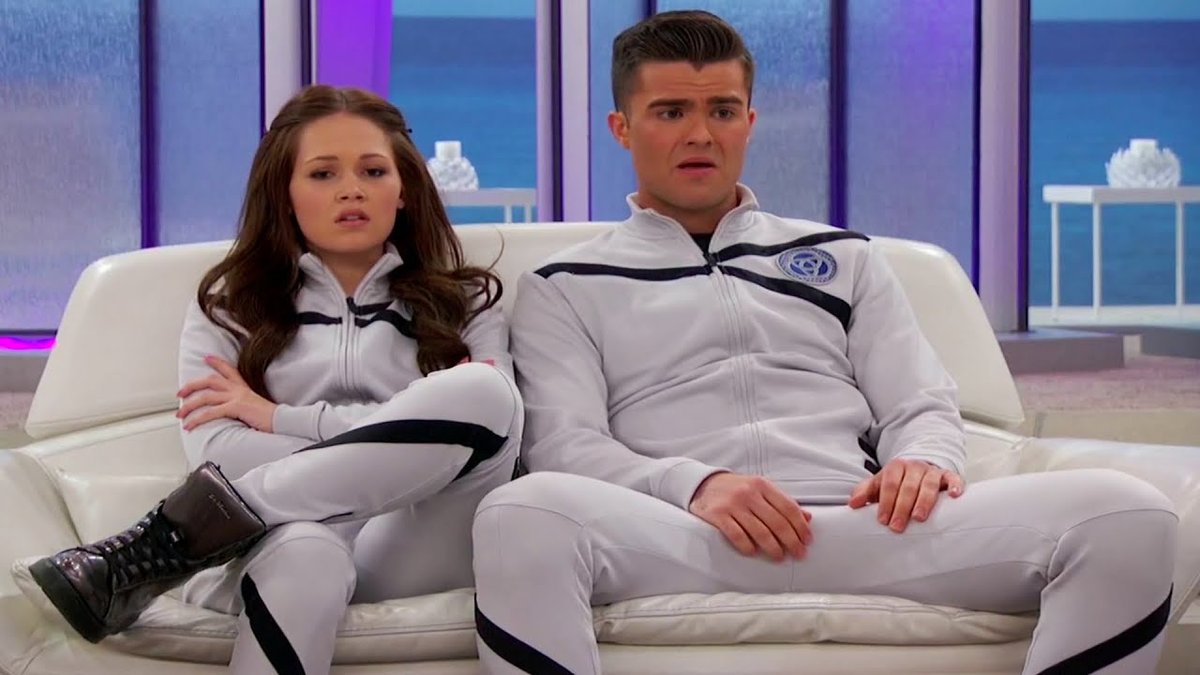
From the hidden depths of a secret lab to the sandy shores of a bionic training facility, the journey of the Lab Rats has been nothing short of extraordinary. When we talk about Cast Differences: Lab Rats vs. Bionic Island, we're really delving into the fascinating evolution of a beloved Disney XD series – not just a change in setting, but a profound maturation of its characters and expansion of its world. It’s a classic tale of growth, responsibility, and the ever-shifting dynamics of a family forged in bionics.
At a Glance: The Evolving World of Lab Rats
- Initial Premise: Introduced us to Leo Dooley and his discovery of bionic super-human teenagers Adam, Bree, and Chase living in his new stepfather’s secret lab.
- Core Cast Consistency: The central bionic trio (Adam, Bree, Chase) and the Davenport-Dooley family (Leo, Donald, Tasha) remained the heart of the show throughout its run, including the "Bionic Island" phase.
- "Bionic Island" as Evolution: "Lab Rats: Bionic Island" isn't a separate show with an entirely new cast, but rather the rebranded fourth and final season of Lab Rats. It signifies a major shift in setting, purpose, and character development.
- Character Growth: Each core character underwent significant personal and bionic evolution, taking on more mature roles and responsibilities.
- Supporting Roles Shift: While some fan-favorite recurring characters like Douglas Davenport gained more prominence, others like Principal Perry became more sporadic, and new bionic students were introduced.
- No Canonical Crossover Casts: Despite fan theories, the official cast of Lab Rats: Bionic Island did not feature characters from other Disney shows like Liv and Maddie gaining bionics. The narrative remained focused on the original universe and its direct spin-offs.
Setting the Stage: The Dawn of Lab Rats
Before we unpack the nuances of "Bionic Island," let’s rewind to where it all began. The original Lab Rats series kicked off with a compelling, if slightly unbelievable, premise: an ordinary teenager named Leo Dooley moves into a high-tech "smart" house with his mother, Tasha, and eccentric inventor stepfather, Donald Davenport. His life takes a sharp turn when he stumbles upon a secret underground lab housing three genetically engineered superhuman teenagers:
- Adam (Spencer Boldman): The strong one, often clumsy but with a kind heart.
- Bree (Kelli Berglund): The fast one, initially focused on popularity and fitting in.
- Chase (Billy Unger): The smart one, the tactical leader, prone to arrogance but fiercely loyal.
As Rotten Tomatoes describes it, this trio convinces Leo and his parents to let them leave their lab and join Leo at school, attempting to navigate normal life while managing their unpredictable bionic strengths. This foundational setup established the core cast and the central conflict: fitting in versus standing out. The early seasons focused heavily on school antics, bionic mishaps, and the budding family dynamic. The show successfully blended comedy with action, creating a world where bionics were both a blessing and a curse.
From Hidden Lab to Bionic Island: A Shift in Focus
The transition to "Lab Rats: Bionic Island" marked a significant turning point in the series. It wasn't just a catchy new subtitle; it represented a strategic narrative decision to evolve the characters and their world. By the fourth season, the gang had outgrown the "secret lab" phase. They were no longer just experiments trying to live normal lives; they were heroes, and their bionic abilities were becoming public knowledge.
The premise for "Bionic Island" shifted to a more advanced, purpose-driven setting. After their original home and lab were destroyed, Davenport established the "Davenport Bionic Academy" on a secluded island. The goal? To train a new generation of bionic humans, fostering their powers responsibly and preparing them for the challenges of a world increasingly aware of bionics. This shift directly influenced the roles and maturity of the core cast. They moved from being students of life to mentors and leaders, a critical aspect of the The Lab Rats Bionic Island cast's evolution.
The Core Quintet: Evolution of Power, Personality, and Purpose
The most striking "cast differences" from the initial Lab Rats seasons to Bionic Island lie in the profound development of the main characters themselves. They didn't just age; they matured, embraced new responsibilities, and faced more complex challenges.
Adam: The Brawn with a Developing Heart
Initially, Adam was primarily the comic relief – incredibly strong, often air-headed, and prone to accidentally destroying things with his bionic super strength. His character arc on Bionic Island showed him growing into a more responsible, albeit still goofy, mentor figure. He learned to control his strength better and became genuinely invested in protecting and training the younger bionic students. His emotional intelligence, though still quirky, certainly deepened, moving him beyond just "the strong one."
Bree: From Speedy Teen to Role Model
Bree started as the quintessential fast-talking, super-speedy teenage girl obsessed with fashion, boys, and popularity. Her bionics, while incredible, often served her desire to blend in or get out of trouble quickly. By Bionic Island, Bree had shed some of that superficiality. She became a crucial leader at the academy, taking on serious mentoring roles and demonstrating immense emotional maturity. Her speed was still her signature, but she used it with more strategic thinking and a greater sense of purpose, embodying true leadership qualities.
Chase: The Brains Behind the Brawn, and Beyond
Chase, with his super intelligence and bionic abilities, was always the tactical leader, but often struggled with arrogance and controlling his "Spike" personality. On Bionic Island, his leadership skills were put to the ultimate test. He became a co-head of the academy alongside Davenport, responsible for strategizing, training, and making critical decisions. This phase showcased his vulnerability, his struggle with immense pressure, and his unwavering commitment to his family and the bionic cause. He truly grew into the role of a capable and respected leader, pushing past his initial insecurities and ego.
Leo: The Human Heart of the Bionic Family
Leo Dooley, the "ordinary" teenager who discovered the bionics, was the audience's entry point into this extraordinary world. Over the seasons, Leo yearned for bionics of his own, feeling left out. His arc culminates in Bionic Island with him fully embracing his own bionic arm, becoming a capable bionic soldier and a true member of the team. He transitioned from being the vulnerable human tag-along to a formidable asset, retaining his sharp wit and compassion while stepping up as a bionic hero himself. His journey provided a powerful message about finding your own strength and purpose.
Donald Davenport: Inventor, Mentor, Father
Donald Davenport, the eccentric billionaire inventor, was initially the mad scientist figure, often detached and focused on his inventions. His evolution was perhaps one of the most heartwarming. By Bionic Island, he was less of a distant creator and more of a genuine father figure, not just to Adam, Bree, and Chase, but to all the bionic students at the academy. He learned to trust his bionic kids, delegate responsibility, and lead with a more empathetic approach. His shift from "the boss" to "the patriarch" was essential to the show's emotional core.
Tasha Davenport & Eddy: The Essential Support System
While not bionic themselves, Tasha and Eddy played crucial roles. Tasha Davenport, Leo's mother and Donald's wife, always provided the much-needed human touch and emotional grounding to the chaotic bionic household. In Bionic Island, she continued to be a loving, supportive mother figure to all the students, offering comfort and common sense. Eddy, the sarcastic smart-house computer, remained his delightfully unhelpful self, a consistent source of dry humor and occasional, grudging assistance, proving that some things, even in a bionic world, never change.
Key Supporting Players: Familiar Faces and Newcomers
Beyond the core family, the supporting cast also saw significant shifts between the early Lab Rats seasons and Bionic Island. Some characters became more integral, while others phased out or were introduced for the new academy setting.
Douglas Davenport: From Villain to Valued Ally
Donald's estranged brother, Douglas Davenport, initially appeared as a formidable villain, the original creator of the bionics and Adam, Bree, and Chase's biological father. His complex redemption arc saw him gradually shift from antagonist to reluctant ally, and by Bionic Island, he was an indispensable part of the academy's faculty. His knowledge of bionics and his nuanced relationship with his "kids" made him a central and beloved character, a true example of a supporting player growing into a lead support role.
Principal Perry: Less School, More Unexpected Help
Principal Perry, the gruff and often hilarious principal of Mission Creek High, was a mainstay of the earlier seasons. Her role naturally diminished with the shift away from the high school setting. However, she made sporadic appearances on Bionic Island, often in surprising ways, providing comic relief and demonstrating an unexpected loyalty to the Davenport family, proving that even a grumpy principal can have a soft spot for bionic teenagers.
New Bionic Recruits: The Next Generation
The very premise of Bionic Island – a bionic academy – necessitated the introduction of a new generation of bionic students. Characters like Spin (Max Charles) and Bob (Cole Ewing), who were introduced earlier as rescued bionic children, became more central as students at the academy. They looked up to Adam, Bree, and Chase as mentors, giving the main trio more responsibility and further showcasing their growth. Daniel (Graham Patrick Martin), a previously unknown bionic brother to Adam, Bree, and Chase, was also introduced, adding another layer of family drama and bionic complexity. These additions highlighted the burgeoning bionic community and the extended family the Davenports were building.
Beyond the Main Story: What Didn't Make the Cut (and Why)
It's common for popular shows to inspire fan theories and imaginative crossovers, and Lab Rats: Bionic Island is no exception. However, it’s important to clarify what constitutes canonical "cast differences" versus creative fan speculation.
One such fan-driven concept, occasionally seen in online discussions, proposes a timeline where characters from Liv and Maddie move to Mission Creek, gain bionics, and integrate into the Lab Rats universe, even replacing elements like the Mighty Med crossover or influencing the setup of Elite Force. While this idea is certainly fun for fans to explore, as seen in some Reddit discussions, it is not part of the official Lab Rats or Bionic Island canon. The show's narrative, including its eventual spin-off Lab Rats: Elite Force, maintained a consistent cast and storyline directly stemming from its own universe. Official cast differences and evolutions always stem from the show's producers and writers, not external fan interpretations. Trustworthy sources like Rotten Tomatoes confirm the core cast and premise without any such crossovers.
The Enduring Legacy: Why These Cast Changes Matter
The changes in the Lab Rats cast, particularly as the series transitioned into its Bionic Island phase, weren't arbitrary. They were fundamental to the show's narrative depth and its enduring appeal.
- Maturity and Growth: By allowing the core characters to mature, the show explored more complex themes of leadership, mentorship, and responsibility. It showcased that superpowers alone aren't enough; character and decision-making truly define a hero.
- Expanding the Universe: The introduction of new bionic characters and the academy setting broadened the scope of the Lab Rats world, laying groundwork for future stories and spin-offs (like Lab Rats: Elite Force). It demonstrated that the bionic phenomenon was larger than just one family.
- Relatability: Even with superpowers, the characters faced relatable challenges: growing up, finding purpose, dealing with family dynamics, and taking on adult responsibilities. Their evolution made them more complex and human, resonating deeply with a maturing audience.
- A Consistent Foundation: Despite the evolution, the consistent presence and development of the core cast provided a stable foundation, ensuring that fans remained connected to the characters they had come to love since the very first episode.
Your Next Mission: Re-Binge the Bionic Journey
Understanding the Cast Differences: Lab Rats vs. Bionic Island isn't about finding a wholly new set of faces, but rather appreciating the profound journey these characters undertook. It's a testament to good storytelling that allowed a series to grow with its audience, transforming its heroes from secret experiments into confident leaders and mentors.
So, if you're looking to revisit the world of bionics, consider a re-watch with fresh eyes. Pay attention to the subtle and not-so-subtle ways Adam, Bree, Chase, Leo, and Donald evolve from the early seasons of Lab Rats to the impactful final season of Lab Rats: Bionic Island. You'll find a richer, more layered narrative that celebrates growth, family, and the true meaning of heroism, whether hidden in a lab or displayed proudly on a bionic island.